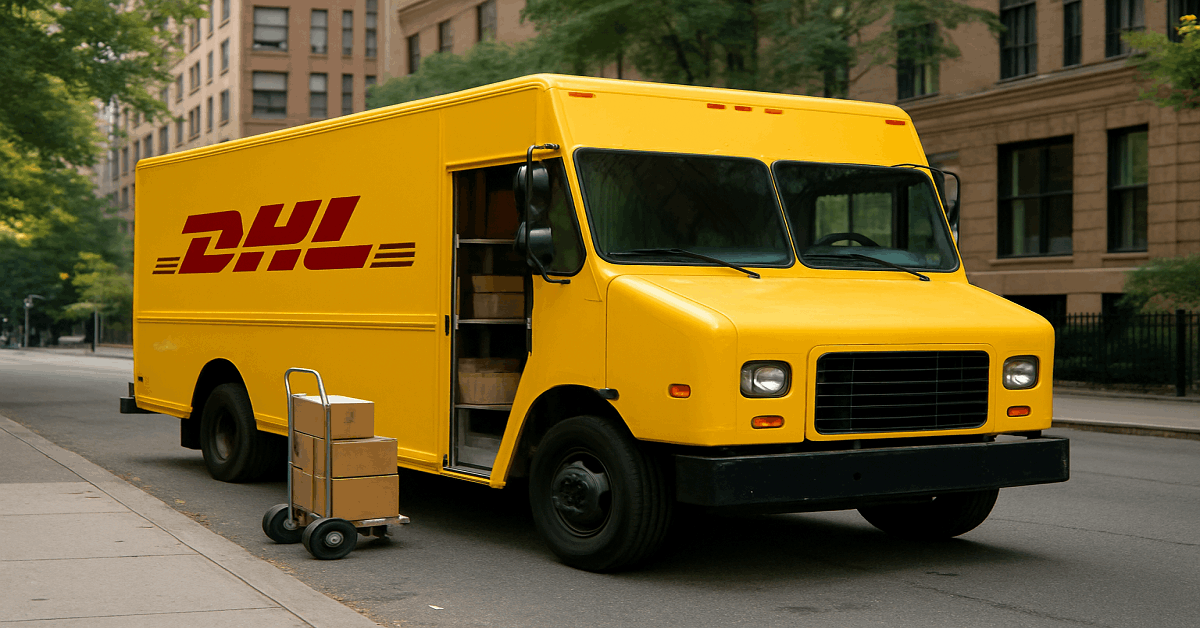
Truck driver jobs in the United States remain in high demand as companies depend on reliable transportation to keep goods moving nationwide.
Many employers are actively hiring new and experienced drivers, offering stable income and long-term career opportunities.
This guide explains the requirements, job types, and application steps to help you begin working as a truck driver in the USA.
Basic Requirements to Work as a Truck Driver in the USA
To start a career as a truck driver in the United States, you must meet several essential requirements.
These qualifications ensure road safety and compliance with federal regulations. Below are the main conditions you must meet before applying.
- Must be at least 21 years old for interstate (cross-state) driving; 18 years old is acceptable for intrastate driving.
- Must have legal residency status or a valid work visa.
- Must obtain a Commercial Driver’s License (CDL).
- Must pass the Department of Transportation (DOT) medical exam.
- Must maintain a clean driving record with no major violations.
- Must pass background checks required by employers.
- Must complete any required endorsements (HazMat, Tanker, etc.) depending on the job.

Types of Truck Driving Jobs Available
Transport roles in the country come in many forms, each offering different schedules and responsibilities.
Drivers can choose routes based on distance, lifestyle needs, and the type of cargo they want to handle. Below are the main categories available for applicants.
- Long-Haul (OTR) Routes — Cross-state trips covering long distances, often requiring days or weeks on the road.
- Regional Routes — Assignments limited to a specific part of the country, usually with more consistent weekly home time.
- Local Deliveries — Short-distance work within a city or nearby areas, allowing drivers to return home every day.
- HazMat Transport — Moving hazardous materials, available only to those with specialized endorsements.
- Refrigerated (Reefer) Loads — Handling temperature-controlled products such as groceries and medical supplies.
- Flatbed and Oversized Loads — Transporting heavy or irregular cargo that needs special equipment and securement skills.
- Tanker Assignments — Carrying liquids like fuel, milk, or chemicals, often with higher pay.
- Parcel and Last-Mile Delivery — Short routes for companies such as UPS, FedEx, and Amazon, focused on frequent stops and fast handling.
Salary and Benefits in the Trucking Industry
Earnings in this field depend on experience, route type, and the company offering the position.
Many employers provide strong starting pay along with bonuses and benefits that support long-term stability.
Below are the most common salary figures and incentives you can expect.
- Typical Pay Range — Most entry- and mid-level drivers earn between $55,000 and $75,000 per year, with some long-haul roles reaching $80,000 or more.
- Mileage or Hourly Rates — Many companies offer $0.50–$0.70 per mile or $18–$30 per hour, depending on the route and load type.
- Performance and Safety Bonuses — Extra pay for clean records, on-time deliveries, and taking high-demand assignments.
- Health Insurance — Medical, dental, and vision coverage are commonly included.
- Paid Time Off — Vacation days, holidays, and personal leave are available after meeting company requirements.
- Per-Diem Support — Daily allowances for meals and travel expenses, especially for OTR positions.
- Retirement Plans — Many companies offer 401(k) programs with employer contributions.
- Paid Training Programs — CDL sponsorships or company-paid schooling for those entering the industry.
- Job Stability — Ongoing demand ensures steady work across multiple sectors.
How to Apply for Truck Driver Jobs in the USA
Applying for these positions is as simple as long as you prepare the required documents and meet the employer's standards.
Most companies review applications online and schedule evaluations through their portals. The steps below outline the process clearly.
- Prepare Your Resume — Include your CDL type, endorsements, driving experience, and safety record.
- Search for Openings — Check job sites like Indeed, LinkedIn, and trucking-specific boards, as well as company career pages.
- Submit an Online Application — Provide personal details, work history, and license information through the employer’s portal.
- Complete Background and Safety Checks — Companies verify driving history, DOT records, and employment details.
- Take the DOT Medical Exam — A valid medical certificate is required before hiring.
- Attend the Interview — Expect questions about routes, experience, and equipment handling.
- Pass the Road Test — Employers assess your ability to operate the vehicle safely and follow procedures.
- Finish Onboarding — Sign documents, complete orientation, and begin any required training.
Tips to Increase Your Chances of Getting Hired
Improving your chances of getting hired starts with preparation and showing employers that you're reliable and ready for the role.
Small steps can make a big difference during the application and evaluation process. Here are practical tips that help applicants stand out.
- Get Additional Endorsements — HazMat, Tanker, and Doubles/Triples can open more job opportunities and higher pay.
- Maintain a Clean Driving Record — Avoid violations and keep your DOT history clear to meet hiring standards.
- Practice for the Road Test — Review backing, turning, parking, and safety procedures before the evaluation.
- Update Your Resume — Highlight experience, certifications, and safety achievements.
- Respond Quickly to Recruiters — Prompt communication shows professionalism and keeps your application active.
- Keep Medical and License Documents Current — An up-to-date CDL and medical card speed up the hiring process.
- Complete Company Applications Accurately — Providing correct details prevents delays and follow-up checks.
- Show Willingness to Work Different Routes — Flexibility with schedules or locations can increase your chances.

Training Programs and CDL Schools for New Drivers
Training programs give beginners the skills needed to earn a CDL. Costs and formats vary across different options. Below are the main choices available.
- Paid CDL Training Programs: Free training with a work contract. Includes classroom and road practice. CDL is issued after completion.
- Private CDL Schools: Flexible schedules and locations. Costs vary by state. Students choose any employer after licensing.
- Community College CDL Programs: Affordable instruction with trained staff. Programs may take longer. Financial aid may apply.
- Company-Sponsored Apprenticeships: Earn while training under supervision. Structured skill development. Often leads to a full-time role.
- What to Expect During Training: Learn inspections, shifting, and safety rules. Practice on yards and roads. Pass written and driving tests.
Life on the Road – What to Expect as a Truck Driver
Life on the road comes with unique routines, responsibilities, and challenges.
Drivers must manage long hours, equipment, and time away from home while staying focused and safe. Here are the key things you can expect from this type of work.
- Daily Routine: Long shifts with scheduled rest breaks. Tasks include inspections, loading checks, and route planning.
- Time Away From Home: OTR routes may require days or weeks on the road. Regional and local work offer more frequent home time.
- Equipment and Technology: Use of GPS, ELDs, and safety systems. Drivers are responsible for basic truck maintenance.
- Managing Fatigue: Following rest requirements is mandatory. Good sleep habits help maintain focus and safety.
- Meal and Rest Planning: Stops are often made at truck plazas and rest areas. Planning helps avoid delays.
- Work-Life Balance: Schedules can affect family time. Many drivers adjust routines to maintain balance.
To Conclude
Truck driver jobs in the USA offer stable employment, solid pay, and clear career growth for new and experienced applicants.
With the proper training and requirements in place, you can qualify for these positions and start earning sooner than you think.
If you’re ready to move forward, explore current job openings now and submit your application.